

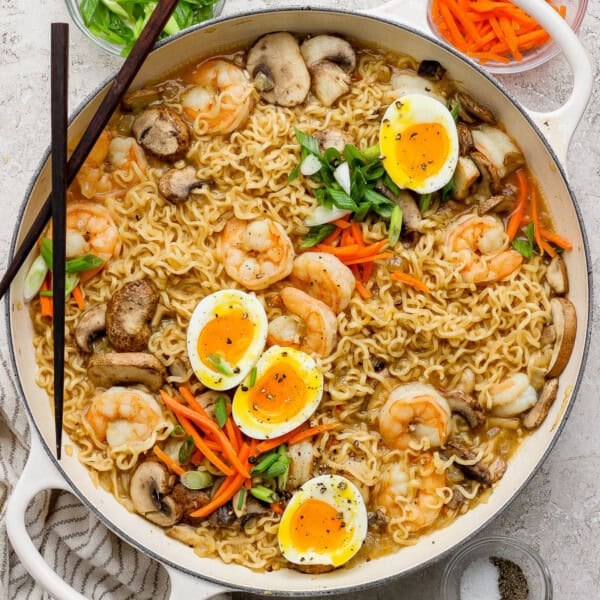

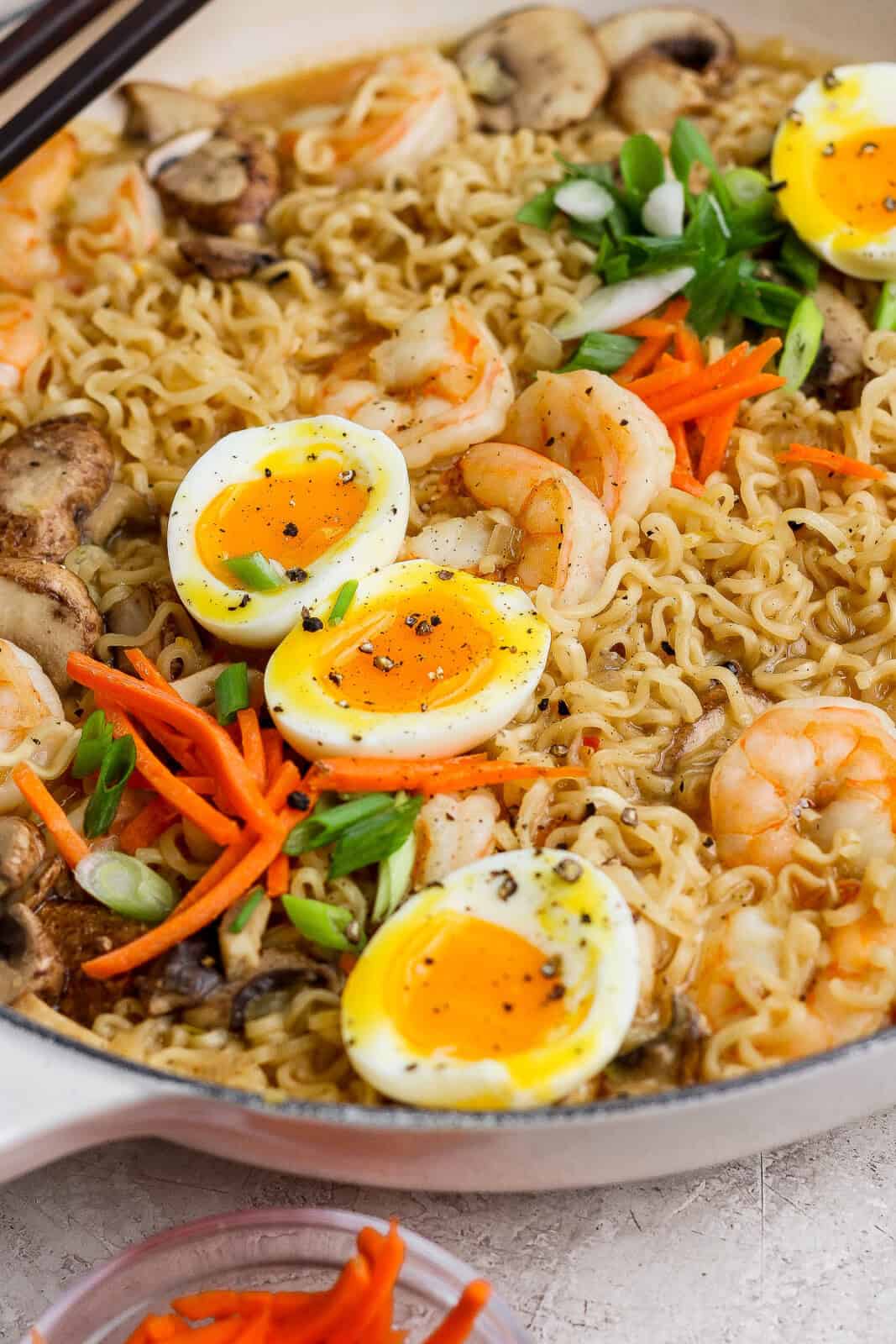
Quick Look: Easy Shrimp Ramen Noodles
- Ready In: 20 minutes!
- Serves: 4
- Main Ingredients: raw shrimp, ramen noodles, chicken broth, mushrooms, garlic, lime juice + zest, lemongrass paste, soy sauce, and jammy soft-boiled eggs.
- Dietary Info: dairy-free with options to make it gluten-free
- Protein: over 30g/serving
- Spicy? No, this is a mild recipe but feel free to add more chili garlic sauce or some red pepper flakes to kick up the heat.
- Why I Love It: A flavorful, one-pot shrimp ramen that’s incredibly easy to make on busy weeknights.
Share and summarize this recipe:
Why This Saucy Shrimp Ramen Should Be Dinner Tonight

- One Pan – the shrimp ramen itself is made entirely in one pan (separate from the soft-boiled eggs).
- Homemade chili-lime broth provides the BEST flavor!
- Perfectly cooked shrimp are a delicious, lean, and quick-cooking protein.
- Perfect for busy weeknights and ready-to-eat in only 20 minutes!
Key Ingredients + Substitutions
Be sure to see the recipe card below for a full listing of ingredients, instructions, and estimated nutritional information.
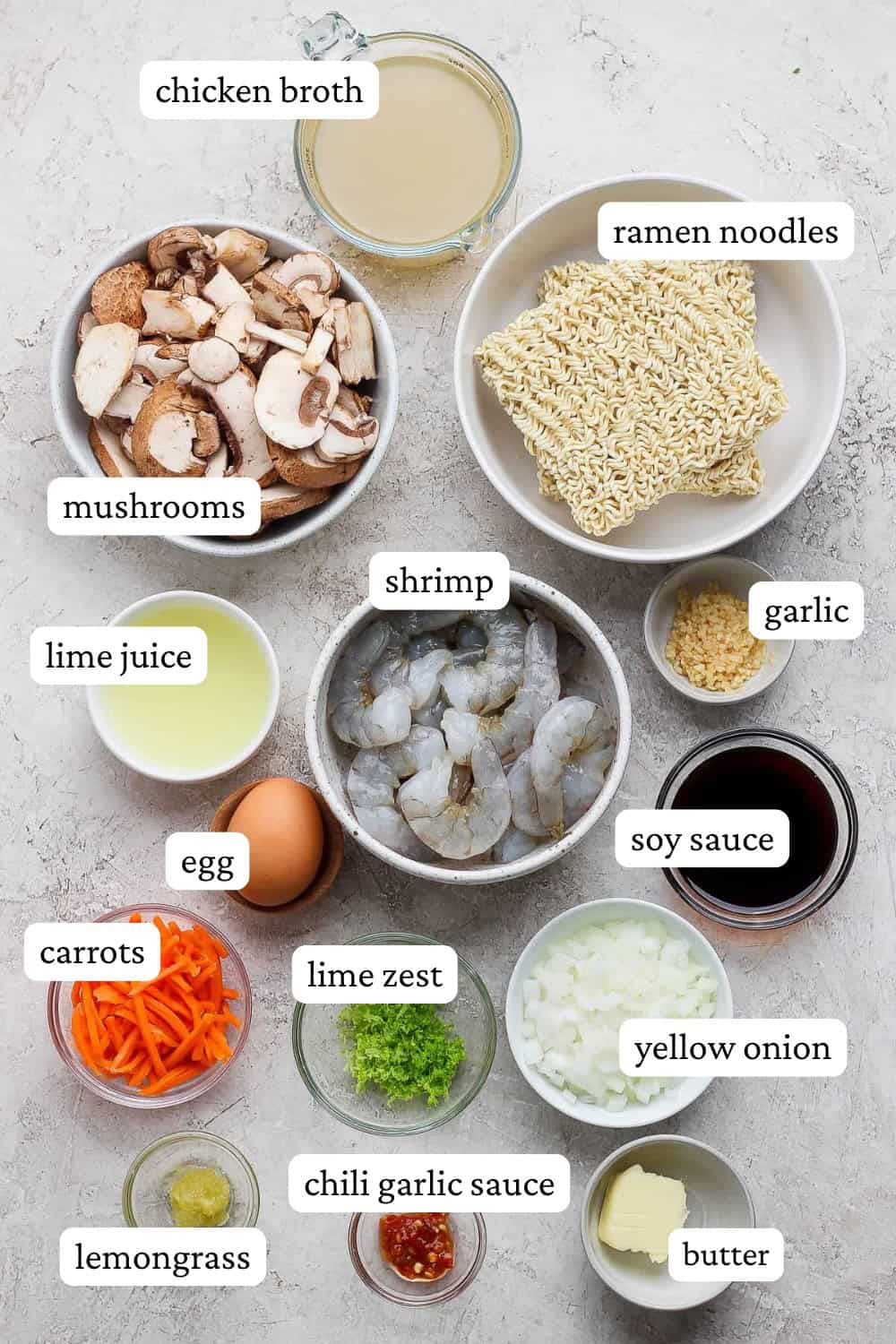
- Ramen Noodles – during testing we used Maruchan ramen noodles, but feel free to use your favorite (including gluten-free options). Just know that the cook time may vary.
- Shrimp – option to use fresh or frozen shrimp. If they are frozen, they will need to thaw in cold water before being added to the skillet.
- Eggs – after testing, I highly recommend serving with a soft boiled egg but, if they aren’t your thing, you can enjoy the ramen without them.
- Lemongrass Paste – love using this simple paste to add light & bright flavors to so many dishes. I always have some in the fridge because it lasts far longer than fresh lemongrass.
How To Make Shrimp Ramen Noodles
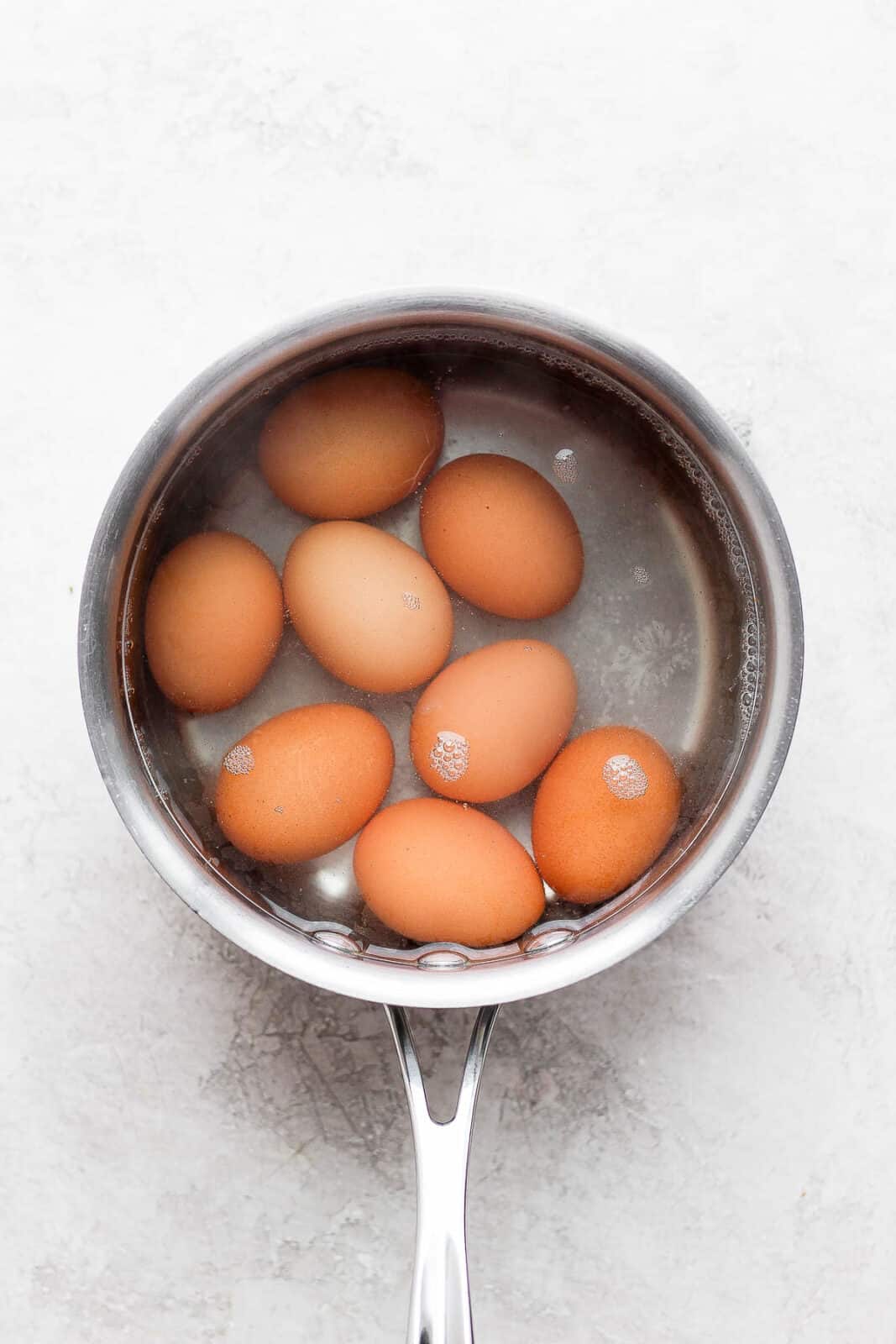
Step 1 – Bring a small pot of water to a boil and soft boil the eggs for 6 minutes.
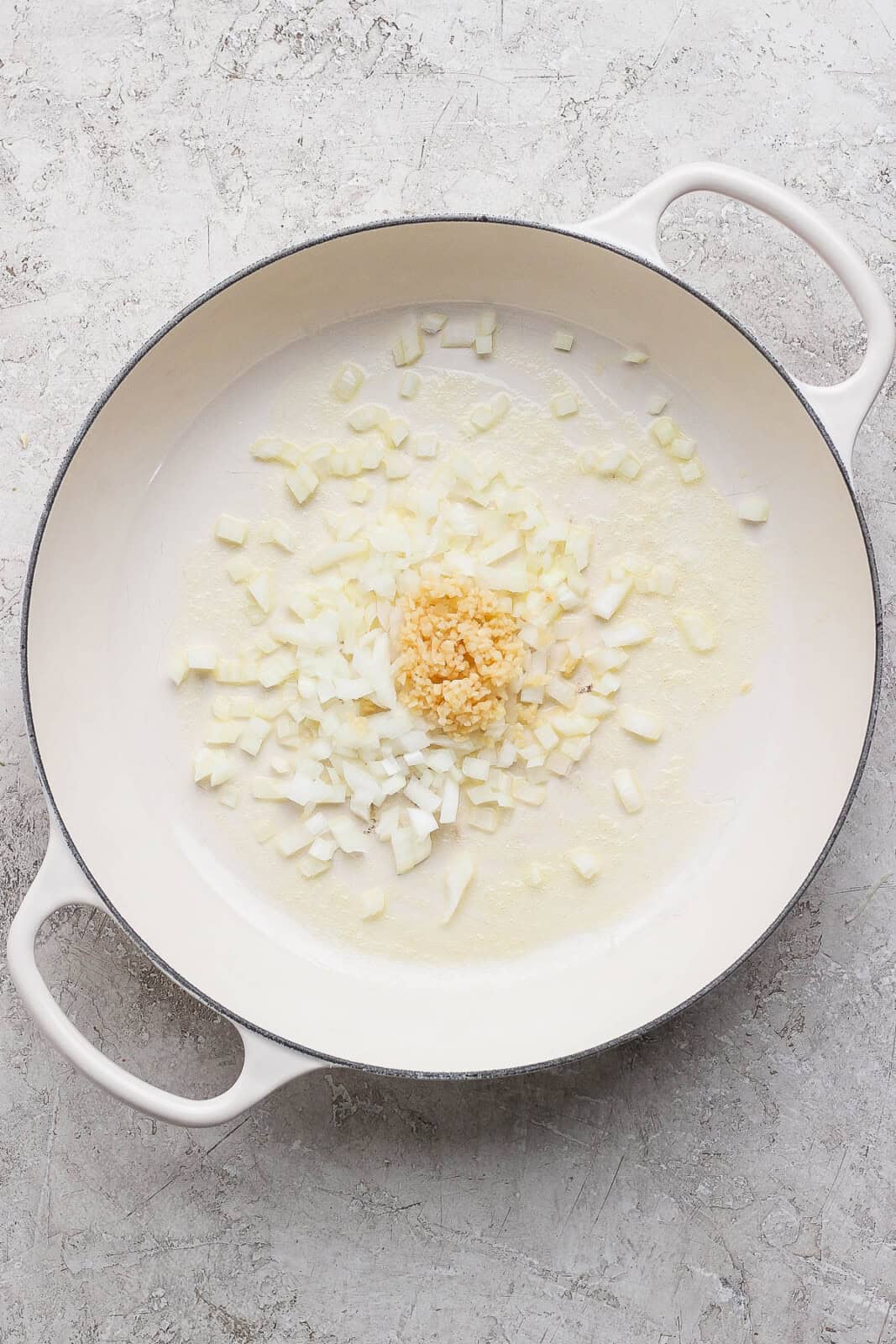
Step 2 – Sauté the onion and garlic until softened.
Soft Boiled Eggs Pro Tip
Achieve a perfectly jammy, soft boiled egg by carefully placing eggs in a pot of water that is already boiling. Set a timer for 6 minutes and remove them as soon as the timer goes off. Transfer them directly into an ice water bath and let them sit in there until you are ready to peel and serve.
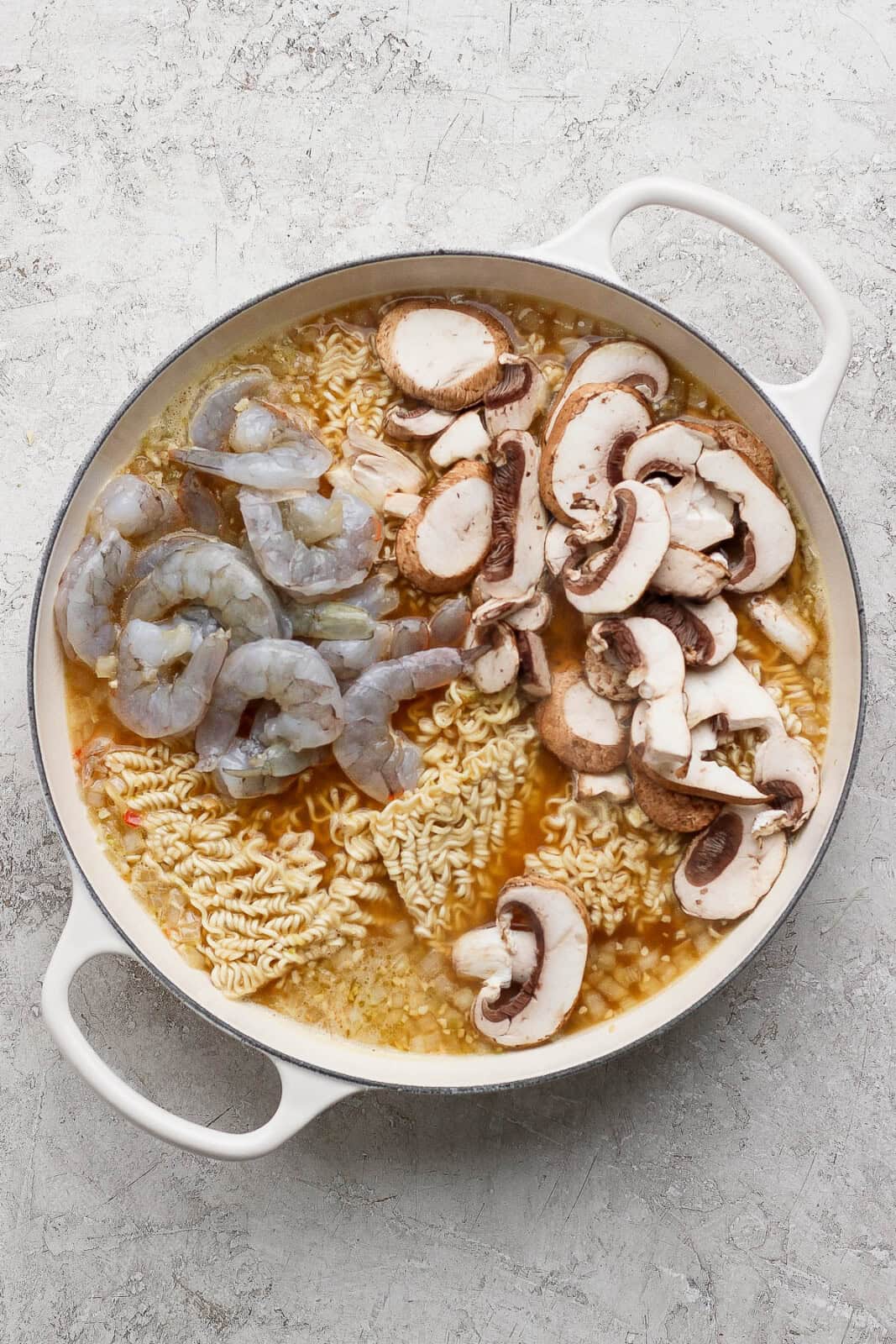
Step 3 – Add the broth and all the flavors to simmer for a bit. Then soften the noodles for a bit before adding the shrimp and mushrooms.
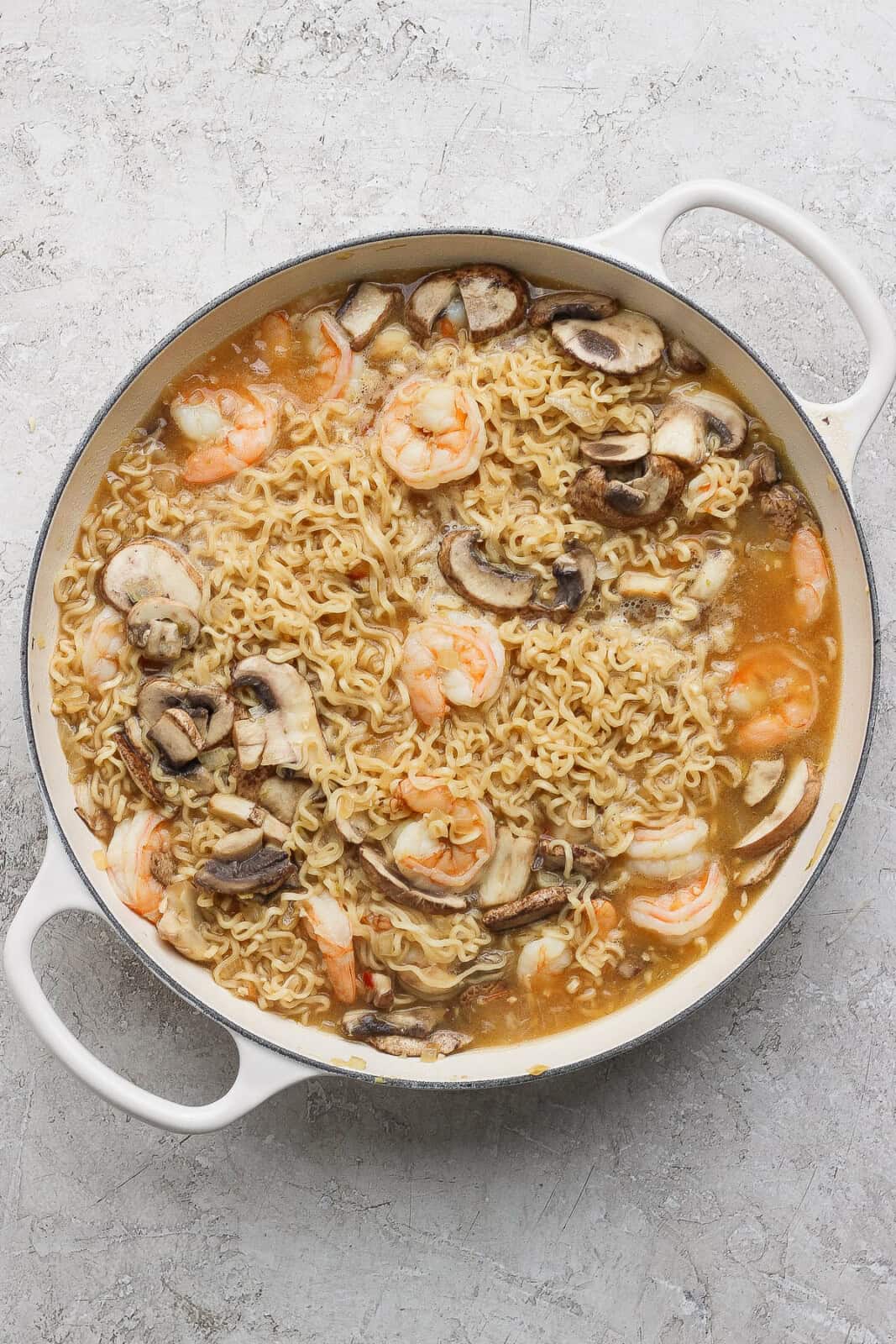
Step 4 – Let it all simmer until everything is fully cooked. Feel free to add more broth if you prefer a more soup-like consistency.
How Do I Know When Shrimp Are Fully Cooked?
Raw shrimp will turn pink in color and become C-shaped when they are done. If you have a meat thermometer you can also check their internal temperature, which should be 145°F.
Erin’s Testing Tips: What We Learned
🍋🟩 Lime Juice: we initially wondered if the recipe needed less lime juice, because it was a little overpowering when tasting the broth by itself. But after tasting everything together, we felt the flavor was perfectly balanced.
🍜 Broth: after several tests we used 4 cups of broth for this recipe, but if you prefer a more soup-like ramen, feel free to add more! Or check out our coconut curry ramen bowls for a more brothy option.
🍤 Shrimp: if you let the noodles soften slightly before adding the shrimp, they should be fully cooked at the same time.
Best Ways To Serve Shrimp Ramen Noodles
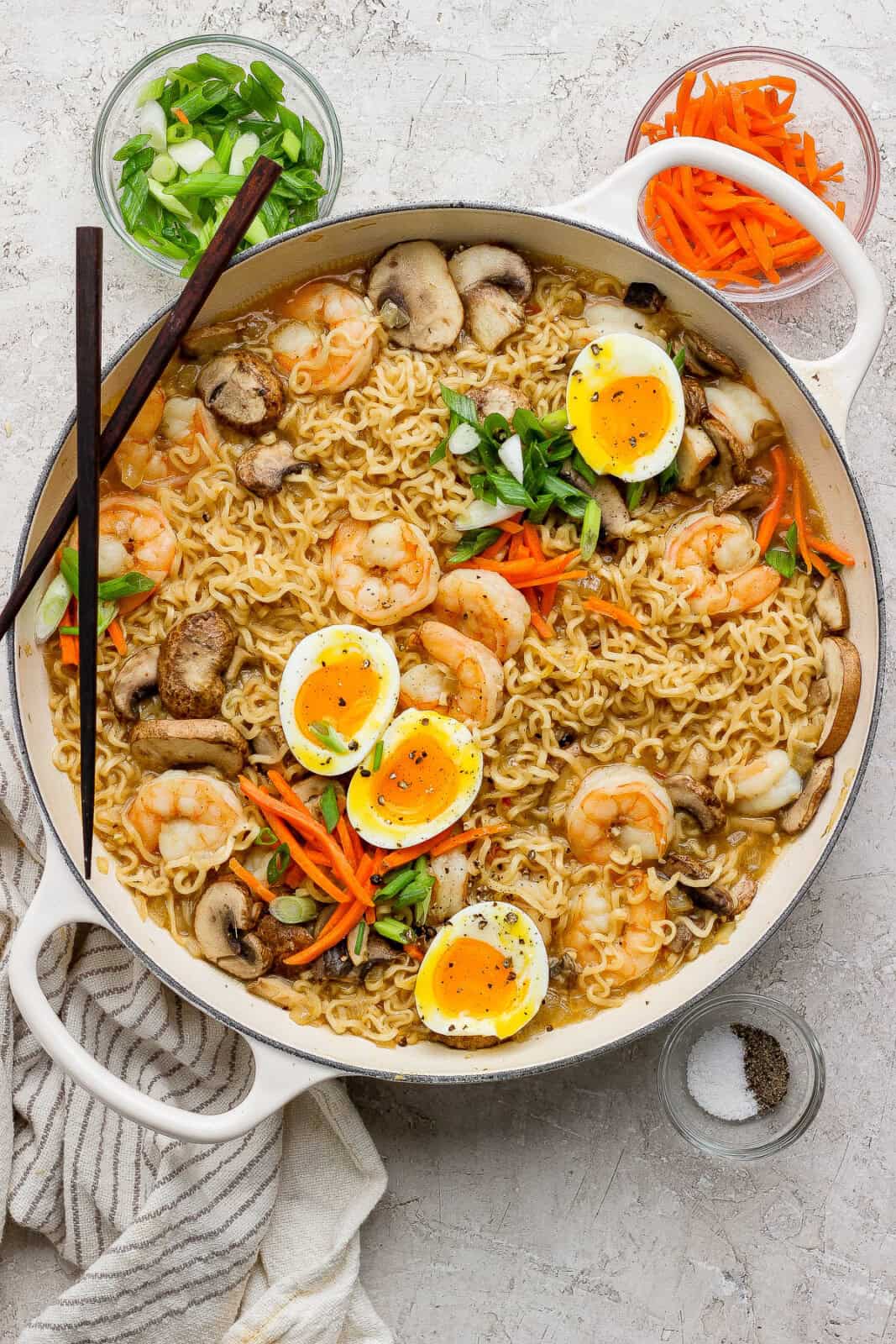
This one pot shrimp ramen can easily be enjoyed by itself, but adding a soft boiled egg on top will give the dish some added protein plus a wonderful creaminess. Also, some matchstix carrots and sliced green onions can give it some added crunch and color!
Other Shrimp Recipes For Dinner You Might Like
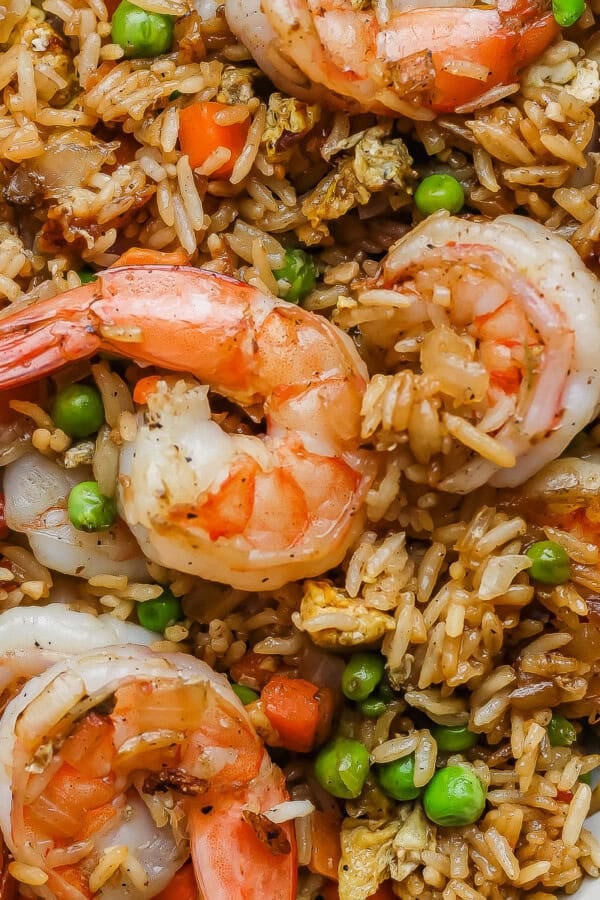
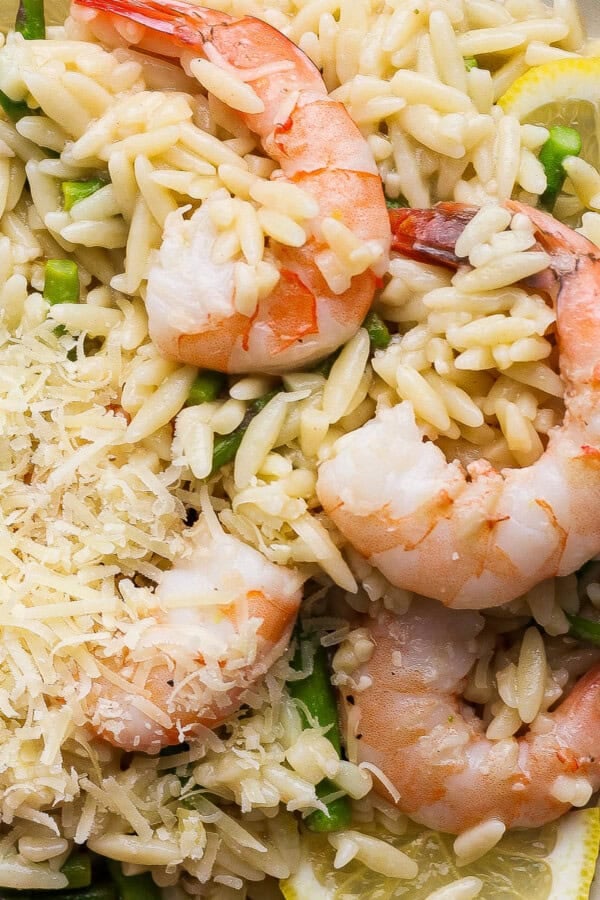
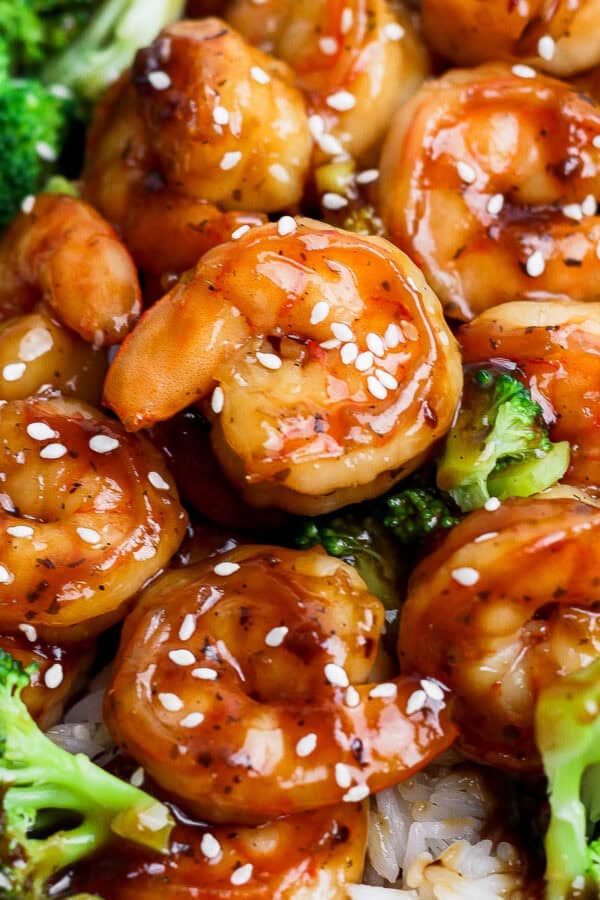
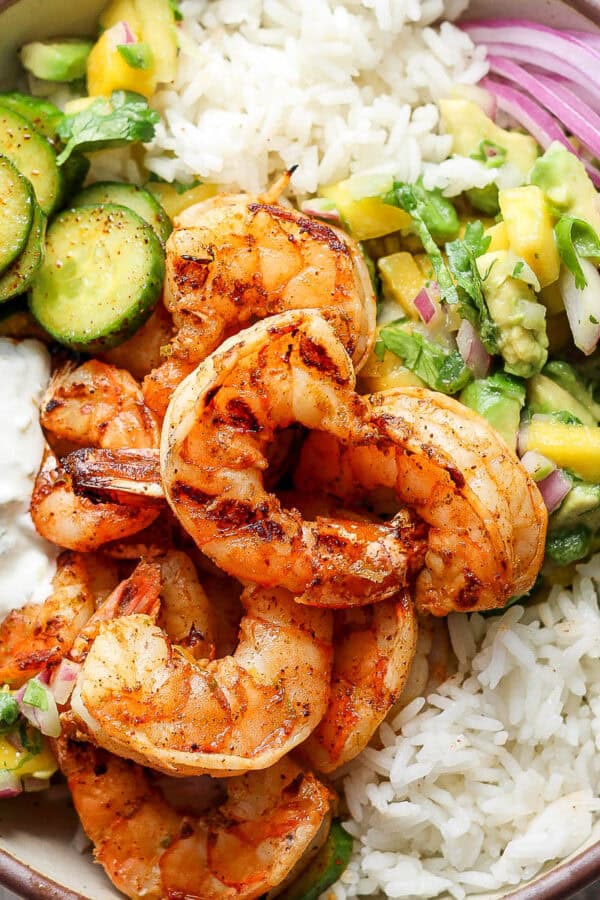
Made this recipe and loved it?!
We would love it if you would take a minute and leave a star rating and review – it is also helpful if you made any substitutions or changes to the recipe to share that as well. THANK YOU!
Follow Us on Social

Equipment
- Braiser or a large skillet
Ingredients
- 4 eggs
- 1 tablespoon butter, sub plant-based
- ½ cup yellow onion, diced
- 1 tablespoon garlic, minced
- 4 cups chicken broth, sub seafood stock
- ¼ cup soy sauce, sub tamari for gluten-free
- zest of 1 lime
- juice of 1 lime
- 1 teaspoon chili garlic sauce
- 1 teaspoon lemongrass paste
- 3 packages ramen noodles, discard the seasoning packet
- 1 pound large raw shrimp, 16/20 with shells & tails removed
- 1 pint baby bella mushrooms, sliced
Serving Suggestions:
- matchstix carrots
- green onions, sliced
Instructions
- Soft Boil Eggs: Bring a pot of water to a boil, carefully add 4 eggs to the hot water with a slotted spoon. Set a timer for 6 minutes and let them boil. While they cook, prepare an ice bath (bowl of cold water and ice). After boiling for 6 minutes, transfer the eggs to the ice bath to cool.
- Sauté: Bring a large, deep skillet or braiser to a medium-high heat. Add 1 tablespoon butter to melt and sauté the diced onion and 1 tablespoon garlic for 1-2 minutes.
- Simmer: Add 4 cups chicken broth, ¼ cup soy sauce, zest of 1 lime, juice of 1 lime, 1 teaspoon chili garlic sauce, and 1 teaspoon lemongrass paste. Mix and let simmer for 10 minutes.
- Noodles: Add the dry ramen noodles (without the seasoning packets). Flip and move them around for 1-2 minutes until the noodles begin to soften and come apart.
- Shrimp + Mushrooms: Once the noodles are slightly soft but not fully cooked, add 1 pound large raw shrimp and sliced mushrooms. Continue simmering (stirring occasionally) until the noodles are tender and the shrimp are pink and C-shaped, approximately 4–5 minutes. Feel free to add splashes of more broth, if needed.
- Serve: Remove the eggs from the ice bath, crack and peel off the shells. Cut them in half and enjoy on top of the shrimp ramen with some matchstix carrots and green onions!
Notes
- Dairy-Free: use a plant-based butter.
- Gluten-Free: swap the soy sauce for tamari or coconut aminos and use gluten-free ramen noodles (cook time may vary).
- Shrimp: highly recommend using large (16/20) shrimp because they have incredible flavor. If you use a smaller or previously cooked shrimp, they will cook much faster. Once they are pink in color and c-shaped (with an internal temperature of 145°F) they are fully cooked.
- Extra Broth: this recipe uses 4 cups of broth. For a more soup-like ramen, add additional broth until you reach your desired consistency. Keep in mind that the noodles continue absorbing broth as they sit.
- Storage: ramen is typically best enjoyed fresh because the noodles will continue to soak up the broth and get a bit soggy. We did keep some in an airtight container in the fridge and after reheating we found they are definitely less saucy (due to the broth being soaked up), but they were still tasty.










Bridget says
Love this weeknight dinner! So easy!!